

Legal in Energy Transition
Resolvemos desafíos en el camino hacía el mundo de emisiones casi cero.
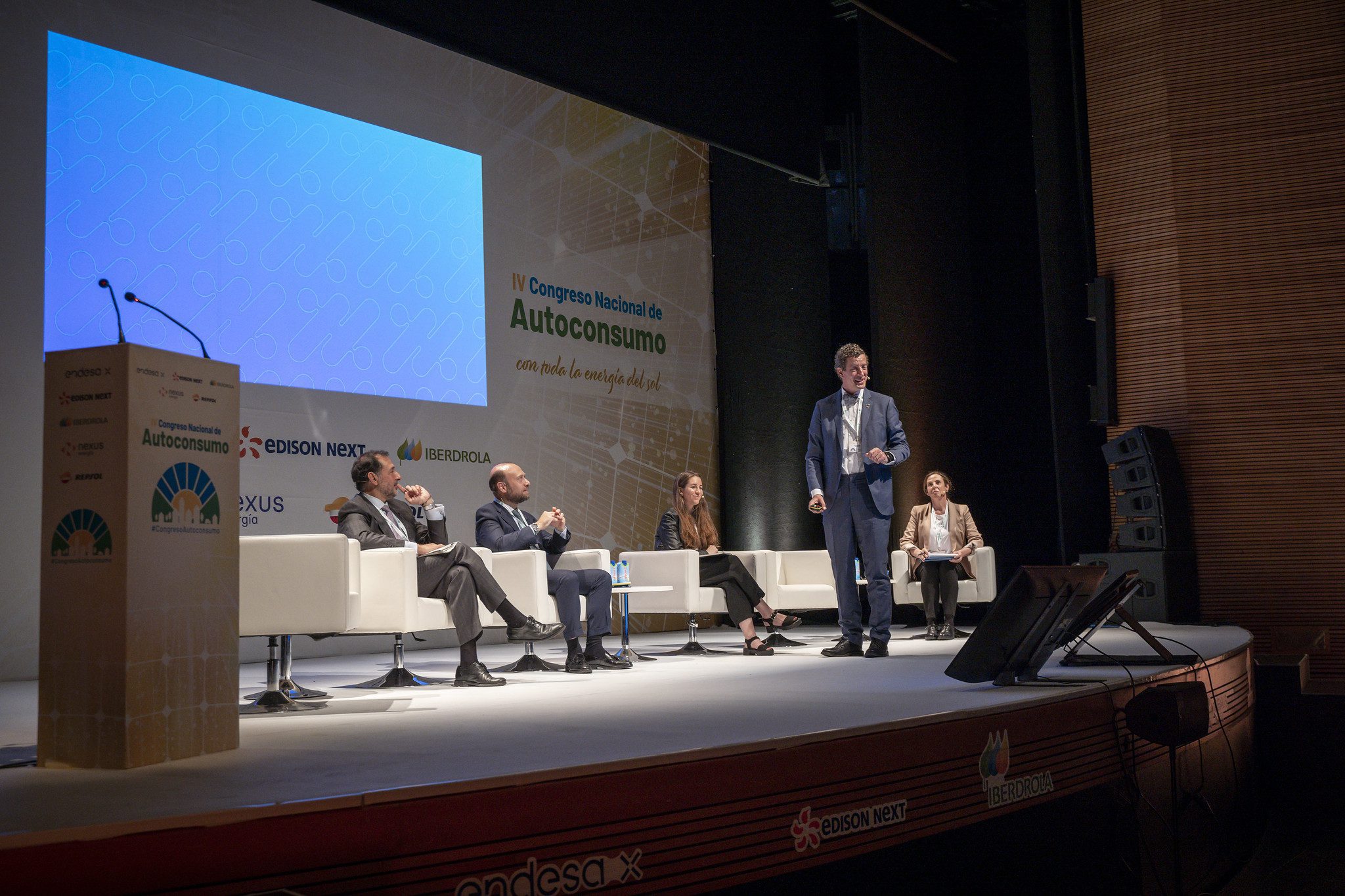

Somos lo que hacemos cada día. Nos concebimos como una empresa con propósito: Mitigar la crisis climática.
Nuestro trabajo es asesorar sobre todos los aspectos legales de la transición energética.
Nuestra praxis engloba aspectos regulatorios principalmente, y se complementa con todas las ramas jurídicas relevantes para nuestros clientes.
¿Cómo
te ayudamos?
Asesoramos a todos los sujetos del sistema eléctrico en temáticas diversas, y también a cualquier otro stakeholder.

Energías renovables
Eólica, Fotovoltaica, Biomasa y –gas, Minihidráulica, Cogeneración; son las tecnologías en las que nos movemos principalmente, no sólo en generación de electricidad, sino también en calor y movilidad.
Energías renovables
- Asesoramos a desarrolladores de proyectos, fabricantes de aerogeneradores y fabricantes de inversores fotovoltaicos, a EPCistas, Ingenierías, Firmas de Abogados, Entidades Financieras, pequeñas empresas verticalmente integradas, cooperativas, Comunidades de Energías Renovables y Empresas y administraciones Públicas
- Contratos de Operación & Mantenimiento eólica y fotovoltaica
- Contratos de suministro, Turn Key, EPC
- Co-Desarrollo eólica y fotovoltaica
- Leasing, Renting, Project & Crowd Finance
- Acceso & Conexión, tramitación & Conflictos
- Urbanismo
- Impacto Ambiental
- Tramitación Sector Eléctrico

Comercialización
Comercializadoras B2B, Cooperativas y Públicas, como medio propio de la Administración Pública. Start-ups públicas y privadas, y asesoramiento continuo.
Comercialización
- Contratos de suministro,
- Tramitación Sector Eléctrico
- M&A, cambio de titularidad
- PPA’s, bilateralización apantallada
- Coberturas EMIR/REMIT
- GDO
- Representación directa/indirecta
- Litigios contractuales, extracontractuales y de retribución
- Relación DSO, operador del sistema y del mercado
- Autoconsumo
- Multicomercialización
- Autosuministro
- Multicanal
- Movilidad Eléctrica

Comunidades Energéticas
Project Partner proyecto Europeo Life “JALON” (UPM), Socio en BlockBattCe, AEI (CEEC y SECARTYS), como asesores legales. Guías para la constitución de CER, varias CER implementadas.
Comunidades Energéticas
- Estructuración institucional CER como futuro sujeto del sistema eléctrico
- Contratos de suministro en la CER
- Tramitación Sector Eléctrico
- PPAs, bilateralización apantallada en la CER
- GDO
- Representación directa/indirecta en la CER
- Autoconsumo Compartido
- Movilidad Eléctrica en la CER

Movilidad Eléctrica
Socios de AEDIVE desde sus inicios, asesoramos al ICAEN en la redacción del Plan PIRVEC, cofundadores de www.Equanimity.Energy
Movilidad Eléctrica
- Contratos de uso de superficie
- Iniciativas Privadas
- Contratos de suministro
- Plataformas de contratación
- Contratos de interoperabilidad y carga delegada
- Tramitación Sector Eléctrico
- Urbanismo
- PPAs y GDO
- Autoconsumo

Autoconsumo
Liderado mesa autoconsumo ICAEN, defendido autoconsumo en el Parlamento Europeo, Sección de Autoconsumo de APPA.
Autoconsumo
- Contratos de Renting, Leasing, Crowdlending, etc
- Compraventa
- Contratos de uso de superficie
- Iniciativas Privadas
- Concesiones Demaniales
- Contratos de suministro
- Plataformas de contratación
- Tramitación Sector Eléctrico
- Urbanismo

Almacenamiento e Hidrógeno
AEPIBAL y AEH2, grupo de trabajo de HYLAW y de almacenamiento de APPA. Clientes industriales consumidores y fabricantes de hidrógeno.
Almacenamiento e Hidrógeno
- Contratos de uso de superficie
- Integración & sector coupling
- Iniciativas Privadas
- Concesiones Demaniales
- Contratos de suministro
- Tramitación Sectorial Sistema Eléctrico Industrial
- Urbanismo

PPAs, Subastas & RECORE
Financiación con PPAs, RECORE y subastas, asesoramiento a desarrolladores, bancos, fabricantes de aerogeneradores, grandes consumidores y comercializadoras.
PPAs, Subastas & RECORE
- Contratos marco PPA multiparte
- Coberturas Financieras + GDO
- Bilaterales físicos / esquemas de representación
- Mecanismo de Ajuste
- Preparación de participación en Subastas
- Acompañamiento regulatorio en RECORE
- Litigiosidad RECORE

Legislación & Regulación
Asesoramiento al Govern de Balears en la redacción de su Ley de Cambio Climático, la primera de España, redacción orden tipo autoconsumo para ICAEN, guías de tramitación diputaciones.
Legislación & Regulación
Aparte de los asesoramientos directos a administraciones públicas, participamos en Consejo Asesor de la CNMC, via APPA, aportando nuestro criterio en la revisión de propuestas de normativa. De este modo hemos aportado a lo largo de los últimos 20 años un gran número de matizaciones y precisiones técnicas a multitud de regulación, sobre Acceso & Conexión, Autoconsumo, Almacenamiento y tramitación, por ejemplo.
Litigios
The proof of the cake is in eating it, si no hay otro remedio llevamos los asuntos a los tribunales, y somos buenos en ello.
Litigios
Hemos llevado litigios ante tribunales locales y regionales, en materia contractual, principalmente, escalándolo hasta la casación en el Tribunal Supremo. Tenemos amplia experiencia en litigios sobre regulación del sector eléctrico, fiscalidad eléctrica, etc, ante la Audiencia Nacional, Tribunal Supremo, Tribunal Constitucional, Tribunal General de la Unión Europea, Tribunal de Justicia de la Unión Europea, hasta el Tribunal Europeo de Derechos Humanos. Hemos litigado contra el Estado Español y la Comisión Europea, pero también contra empresas en conflictos con otras empresas o clientes individuales.
Últimas
opiniones
VII CONGRESO NACIONAL DE ENERGÍAS RENOVABLES de APPA
El próximo día 30 de noviembre comienza el séptimo congreso nacional de energías renovables de APPA, esta vez participamos el primer día a las 13:30 en la mesa titulada: «Un nuevo marco regulatorio y económico para el almacenamiento» La mesa será Moderado por Raúl García. Secretario General, ASEALEN, y participan: Miriam Bueno. S.G. Prospectiva, Estrategia … Continued
VII CONGRESO EUROPEO DE MOVILIDAD ELÉCTRICA
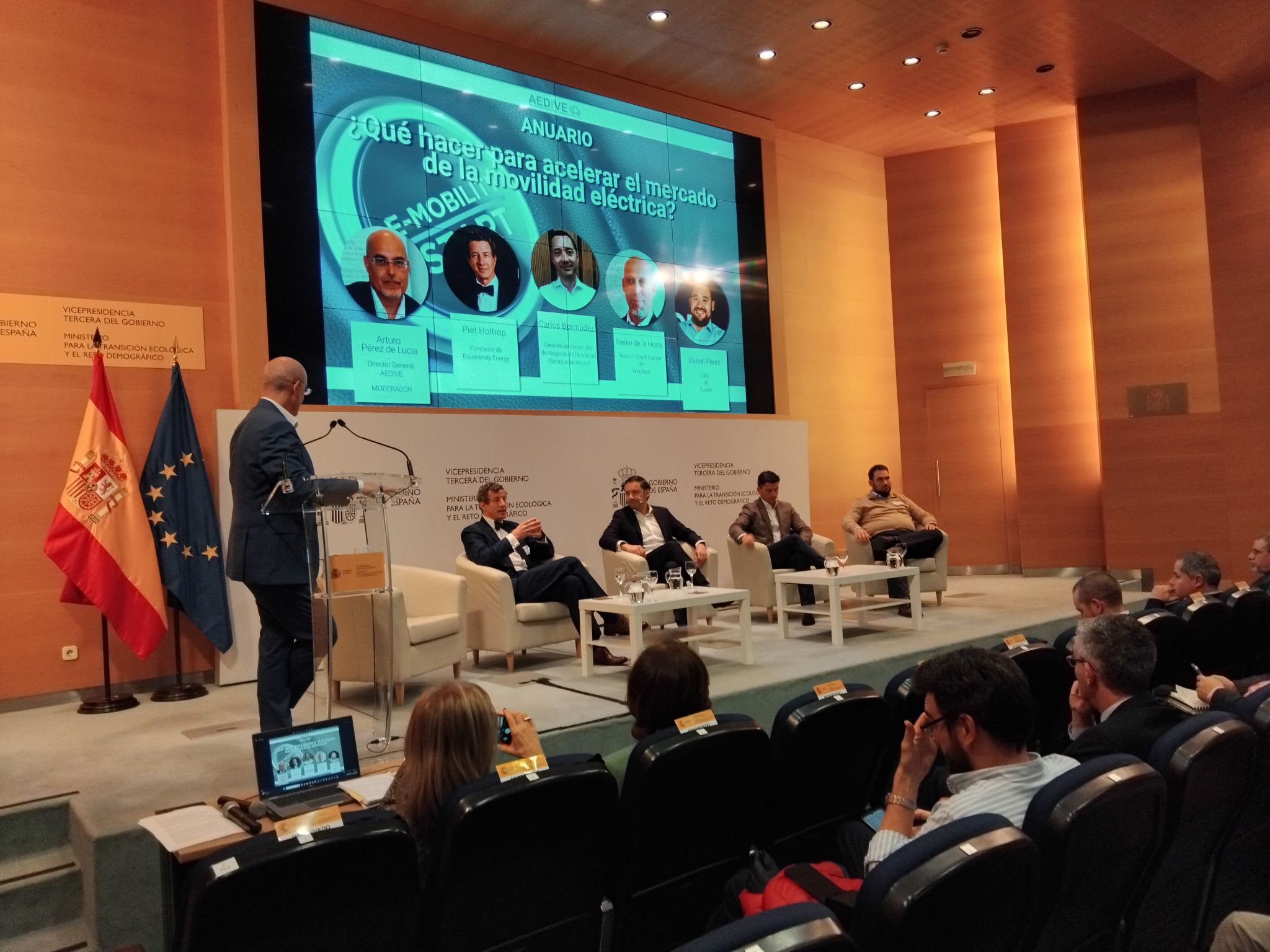
El próximo día 29 de noviembre a las 12:00, Piet Holtrop participa en una mesa de debate del Congreso Europeo de Movilidad Eléctrica (CEVE) titulada: “Evolución de mercado y sistema eléctrico. Marco legal en torno a acceso & conexión al sistema eléctrico. Integración de Autoconsumo con movilidad eléctrica, almacenamiento y V2G: ¿Oportunidades de nuevos productos, … Continued
1ª EDICIÓN PRIMERA EDICIÓN ENERGYEAR AUTOCONSUMO Y GENERACIÓN DISTRIBUIDA
ENERGYEAR ha diseñado un congreso especializado en Autoconsumo y Generación distribuida, manteniendo su ADN de congresos orientados al networking, donde estarán presentes los actores más relevantes del sector, para tratar los principales temas de interés de la industria. Las ventajas de la energía limpia convencen cada vez a más consumidores. España ya cuenta con … Continued